
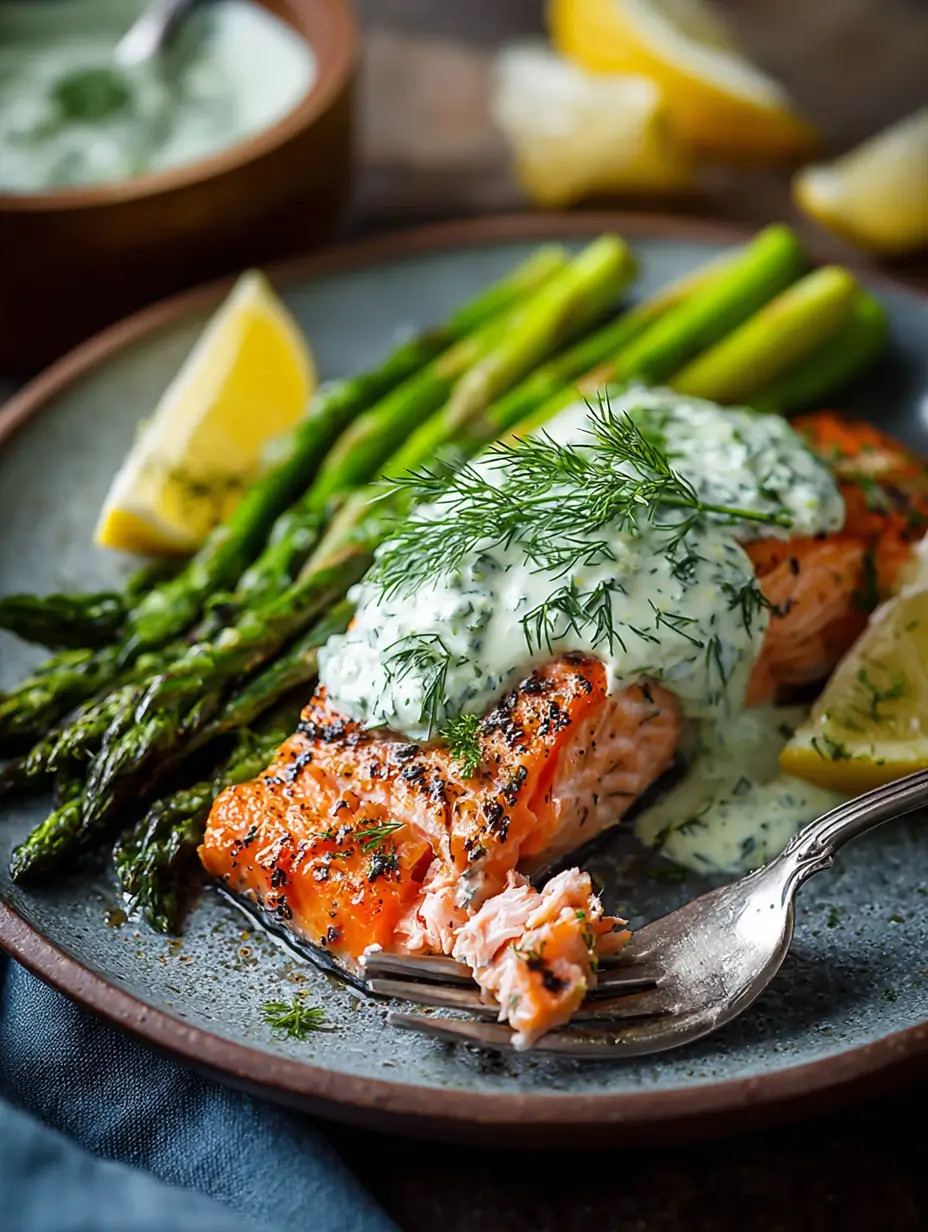
Baked Tasmanian Salmon with Asparagus
Introduction
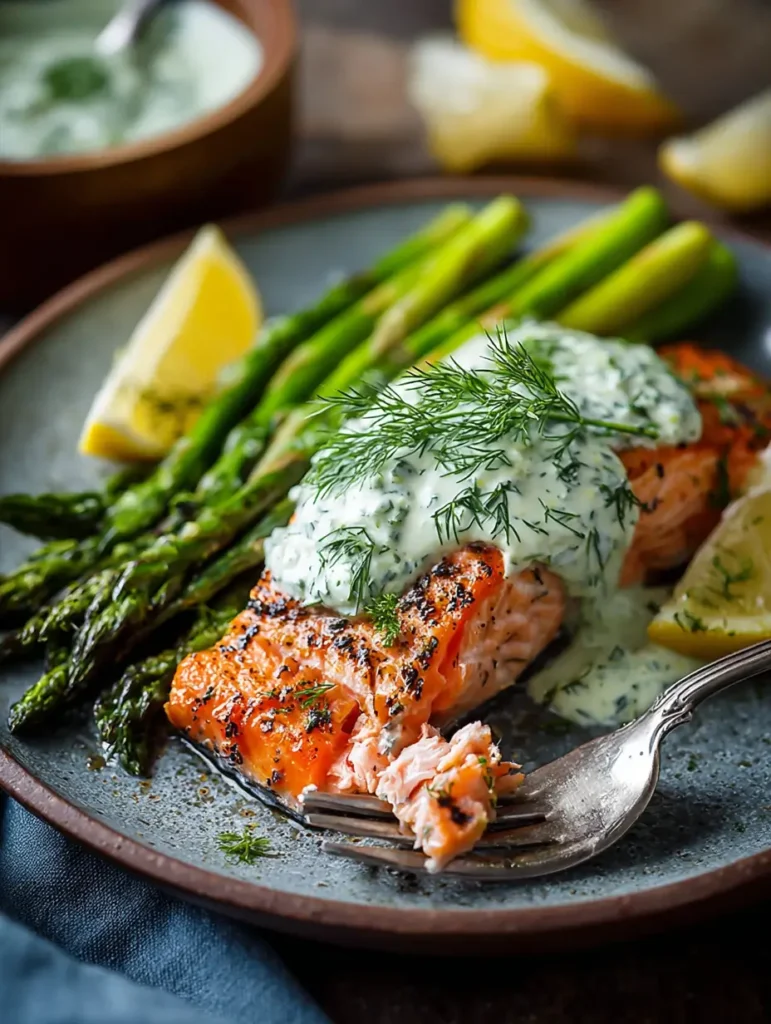
Baked Tasmanian Salmon with Asparagus is a healthy and flavorful dish that highlights the rich taste of Tasmanian salmon paired with tender asparagus. This dish is not only quick to prepare but also packed with nutrients, making it perfect for a weeknight dinner or a special occasion. The combination of fresh herbs, lemon, and garlic enhances the natural flavors of the salmon and asparagus. Let’s dive into how to make this delicious meal!
Ingredients List
For the Salmon and Asparagus:
- 4 (6 oz) Tasmanian salmon fillets: Fresh or thawed.
- 1 bunch asparagus: Trimmed.
- 2 tablespoons olive oil: For drizzling.
- 2 cloves garlic (minced): For flavor.
- 1 lemon: Zested and juiced.
- Salt and pepper: To taste.
- 1 tablespoon fresh dill (or parsley): Chopped, for garnish (optional).
For the Marinade:
- 2 tablespoons soy sauce: For umami flavor.
- 1 tablespoon honey: For sweetness.
- 1 teaspoon Dijon mustard: For a bit of tang.
Timing
Making Baked Tasmanian Salmon with Asparagus is quick and easy:
- Preparation Time: 10 minutes
- Marinating Time: 15-30 minutes (optional)
- Cooking Time: 15-20 minutes
- Total Time: Approximately 40-60 minutes (including marinating)
Step-by-Step Instructions
Step 1: Prepare the Marinade
- Mix Marinade Ingredients: In a small bowl, whisk together the soy sauce, honey, Dijon mustard, lemon juice, and minced garlic.
Step 2: Marinate the Salmon
- Marinate the Salmon: Place the salmon fillets in a shallow dish or a resealable plastic bag. Pour the marinade over the salmon, ensuring it is well coated. Let it marinate in the refrigerator for 15-30 minutes for enhanced flavor.
Step 3: Preheat the Oven
- Preheat: Preheat your oven to 400°F (200°C).
Step 4: Prepare the Asparagus
- Trim the Asparagus: Rinse and trim the tough ends off the asparagus.
- Season: Place the asparagus on a baking sheet, drizzle with 1 tablespoon of olive oil, and season with salt and pepper. Toss to coat.
Step 5: Bake the Salmon and Asparagus
- Arrange on Baking Sheet: Remove the salmon from the marinade and place it on the baking sheet alongside the asparagus. Drizzle the salmon with the remaining 1 tablespoon of olive oil and sprinkle with lemon zest, salt, and pepper.
- Bake: Place the baking sheet in the preheated oven and bake for 15-20 minutes, or until the salmon is cooked through and flakes easily with a fork, and the asparagus is tender.
Step 6: Serve
- Plate the Dish: Once done, remove from the oven and let it rest for a couple of minutes.
- Garnish and Enjoy: Garnish with fresh dill or parsley if desired, and serve warm.
Notes
- Storage: Leftover salmon and asparagus can be stored in an airtight container in the refrigerator for up to 3 days. Reheat gently in the oven or microwave.
- Variations: Feel free to add other vegetables like cherry tomatoes or bell peppers for added color and flavor.
- Common Mistakes: Avoid overcooking the salmon to prevent it from becoming dry. The internal temperature should reach 145°F (63°C).
Nutritional Information
Here’s a rough breakdown of the nutritional content for one serving (based on 4 servings):
| Nutrient | Amount per Serving |
|---|---|
| Calories | 350 |
| Protein | 30g |
| Fat | 20g |
| Carbohydrates | 10g |
| Fiber | 3g |
| Sugar | 3g |
These values can vary based on specific ingredients and portion sizes.
Healthier Alternatives for the Recipe
If you’re looking to make your Baked Tasmanian Salmon with Asparagus even healthier, consider these modifications:
- Use Low-Sodium Soy Sauce: To reduce sodium intake.
- Add More Vegetables: Incorporate a variety of vegetables for added nutrients and fiber.
- Reduce Honey: Use less honey or a sugar substitute to lower the sugar content.
Serving Suggestions
To enhance your Baked Tasmanian Salmon with Asparagus experience, try these serving suggestions:
- Serve with Quinoa or Brown Rice: Add a side of quinoa or brown rice for a complete meal.
- Top with Lemon Wedges: Serve with lemon wedges for an extra burst of freshness.
- Pair with a Salad: A light green salad can complement the richness of the salmon.
Common Mistakes to Avoid
- Not Preheating the Oven: Ensure the oven is fully preheated for even cooking.
- Overcooking the Salmon: Keep a close eye on the cooking time to prevent dryness.
- Not Seasoning Enough: Don’t skip the seasoning step; it enhances the overall flavor.
Storing Tips for the Recipe
- Refrigeration: Store leftovers in an airtight container in the refrigerator for up to 3 days.
- Freezing: Cooked salmon can be frozen for up to 2 months. Thaw in the refrigerator before reheating.
- Prepping Ahead: You can prepare the marinade and chop the asparagus in advance to save time on cooking day.
Conclusion
In summary, Baked Tasmanian Salmon with Asparagus is a delicious and nutritious dish that is easy to prepare and packed with flavor. The combination of tender salmon and crisp asparagus makes it a satisfying meal for any occasion. Try this recipe today, and don’t forget to share your feedback in the comments or subscribe for more delicious updates!
FAQs
Can I use other types of salmon?
Yes! You can substitute Tasmanian salmon with any other fresh salmon, such as Atlantic or sockeye.
What can I use instead of asparagus?
You can use green beans, broccoli, or zucchini as alternatives.
How do I know when the salmon is done?
The salmon should be opaque and flake easily with a fork. The internal temperature should reach 145°F (63°C).
Can I make this dish in advance?
While it’s best enjoyed fresh, you can marinate the salmon ahead of time and store it in the refrigerator until ready to bake.
What can I serve with this dish?
This dish pairs well with grains like quinoa or rice, or a simple green salad.
Now that you have all the details, it’s time to get cooking! Enjoy your Baked Tasmanian Salmon with Asparagus!
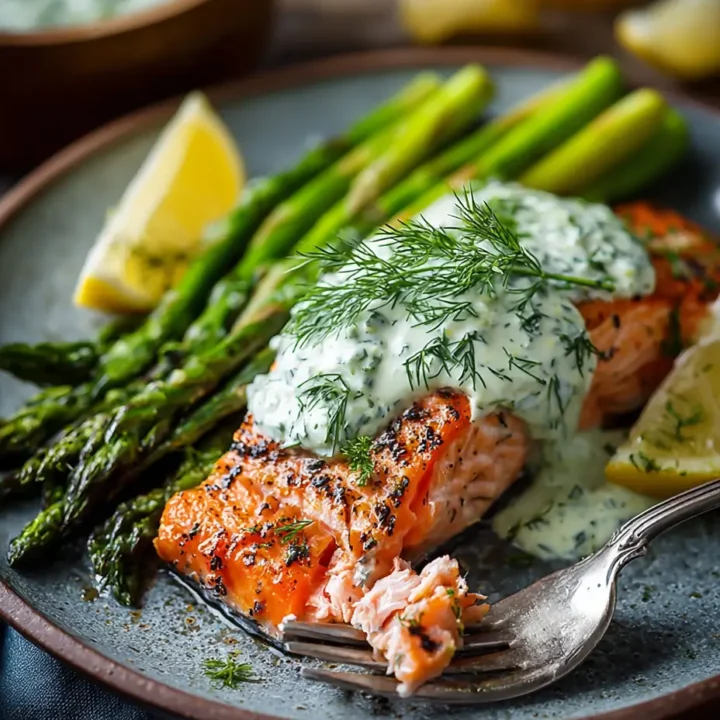
Baked Tasmanian Salmon with Asparagus
Ingredients
- For the Salmon and Asparagus:
- 4 (6 oz) Tasmanian salmon fillets: Fresh or thawed.
- 1 bunch asparagus: Trimmed.
- 2 tablespoons olive oil: For drizzling.
- 2 cloves garlic (minced): For flavor.
- 1 lemon: Zested and juiced.
- Salt and pepper: To taste.
- 1 tablespoon fresh dill (or parsley): Chopped, for garnish (optional).
- For the Marinade:
- 2 tablespoons soy sauce: For umami flavor.
- 1 tablespoon honey: For sweetness.
- 1 teaspoon Dijon mustard: For a bit of tang.
Instructions
- Mix Marinade Ingredients: In a small bowl, whisk together the soy sauce, honey, Dijon mustard, lemon juice, and minced garlic.
- Marinate the Salmon: Place the salmon fillets in a shallow dish or a resealable plastic bag. Pour the marinade over the salmon, ensuring it is well coated. Let it marinate in the refrigerator for 15-30 minutes for enhanced flavor.
- Preheat: Preheat your oven to 400°F (200°C).
- Trim the Asparagus: Rinse and trim the tough ends off the asparagus.
- Season: Place the asparagus on a baking sheet, drizzle with 1 tablespoon of olive oil, and season with salt and pepper. Toss to coat.
- Arrange on Baking Sheet: Remove the salmon from the marinade and place it on the baking sheet alongside the asparagus. Drizzle the salmon with the remaining 1 tablespoon of olive oil and sprinkle with lemon zest, salt, and pepper.
- Bake: Place the baking sheet in the preheated oven and bake for 15-20 minutes, or until the salmon is cooked through and flakes easily with a fork, and the asparagus is tender.
- Plate the Dish: Once done, remove from the oven and let it rest for a couple of minutes.
- Garnish and Enjoy: Garnish with fresh dill or parsley if desired, and serve warm.
Step 1: Prepare the Marinade
Step 2: Marinate the Salmon
Step 3: Preheat the Oven
Step 4: Prepare the Asparagus
Step 5: Bake the Salmon and Asparagus
Step 6: Serve
Notes
- Variations: Feel free to add other vegetables like cherry tomatoes or bell peppers for added color and flavor.
- Common Mistakes: Avoid overcooking the salmon to prevent it from becoming dry. The internal temperature should reach 145°F (63°C).