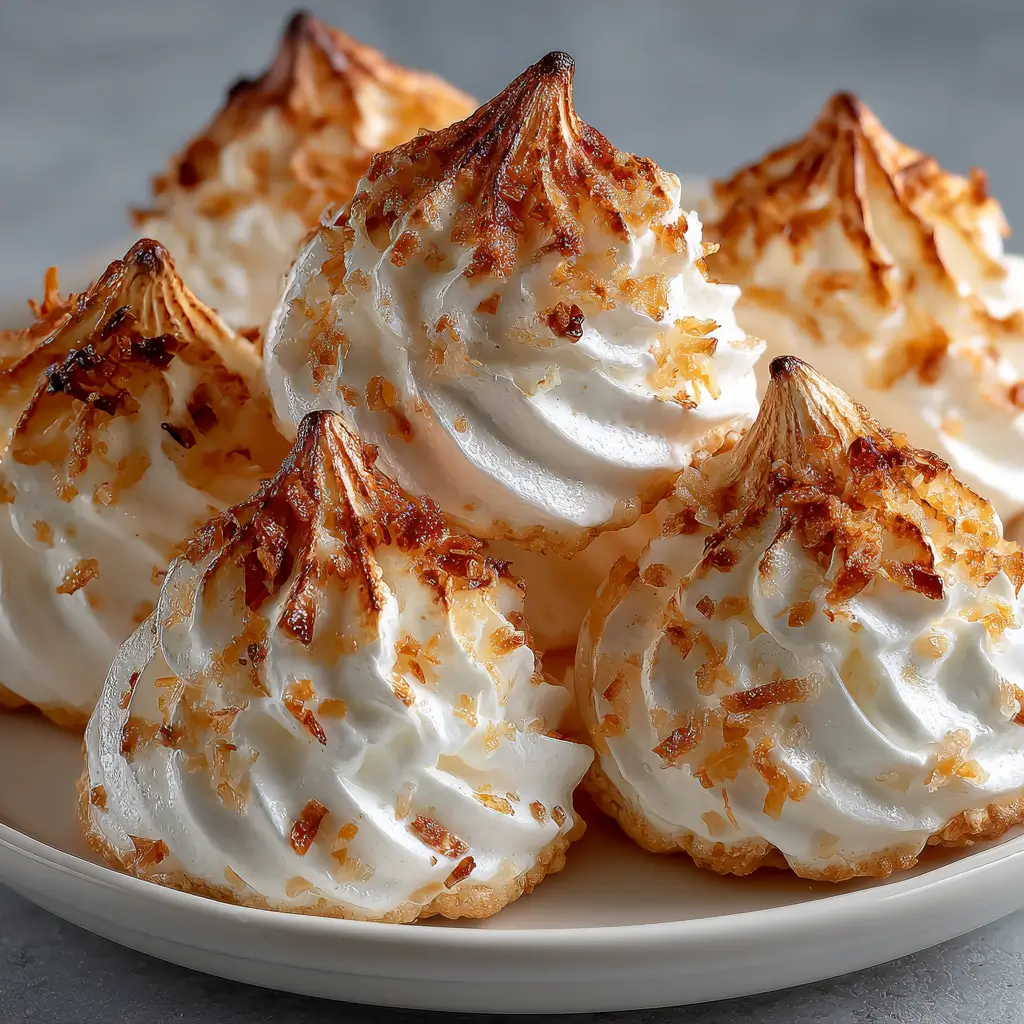
Kokosbusserl – Austrian Coconut Meringue Cookies
Have you ever wondered how a simple cookie can transport you to the charming streets of Austria with just one bite? Kokosbusserl, or Austrian coconut meringue cookies, are not only delightful treats but also a testament to the art of baking with minimal ingredients. These light, airy cookies combine the sweetness of coconut with the delicate texture of meringue, creating a perfect balance that is both satisfying and indulgent. In this post, we will explore the intricacies of making Kokosbusserl, providing you with a detailed guide that ensures success in your kitchen.
Ingredients List
To create these delicious Kokosbusserl – Austrian Coconut Meringue Cookies, you will need the following ingredients:
- 3 large egg whites: Fresh eggs yield the best results.
- 200g granulated sugar: For sweetness and stability in the meringue.
- 200g desiccated coconut: Unsweetened coconut will give a more authentic flavor.
- 1 tsp vanilla extract: Enhances the overall flavor.
- Pinch of salt: Balances the sweetness.
Substitution Suggestions:
- Egg Whites: Use aquafaba (the liquid from canned chickpeas) for a vegan alternative.
- Granulated Sugar: Coconut sugar can be used for a lower glycemic index option.
- Desiccated Coconut: Shredded coconut can be substituted, but ensure it is finely chopped for a smoother texture.
Step-by-Step Instructions
Step 1: Preheat the Oven
Preheat your oven to 150°C (300°F). This low temperature is crucial for drying out the meringue without browning it.
Step 2: Prepare the Baking Sheet
Line a baking sheet with parchment paper. This will prevent the cookies from sticking and ensure an easy cleanup.
Step 3: Whip the Egg Whites
In a clean, dry mixing bowl, beat the egg whites with a pinch of salt until soft peaks form. This usually takes about 3-5 minutes. Ensure your bowl and beaters are free from any grease, as this can prevent the egg whites from whipping properly.
Step 4: Gradually Add Sugar
Slowly add the granulated sugar, one tablespoon at a time, while continuing to whip the egg whites. Beat until the mixture is glossy and stiff peaks form. This process is essential for achieving the perfect meringue consistency.
Step 5: Fold in Coconut and Vanilla
Gently fold in the desiccated coconut and vanilla extract into the meringue mixture. Be careful not to deflate the egg whites; use a spatula and incorporate the coconut until just combined.
Step 6: Shape the Cookies
Using a spoon or a piping bag, drop or pipe small mounds of the mixture onto the prepared baking sheet, spacing them about 2 inches apart. You can shape them into little peaks for a more decorative look.
Step 7: Bake the Cookies
Bake in the preheated oven for 25 minutes or until the cookies are firm to the touch and slightly dry on the outside. They should remain white and not brown.
Step 8: Cool and Serve
Once baked, turn off the oven and let the cookies cool inside for about 10 minutes. This will help them set further. Transfer them to a wire rack to cool completely before serving.
Nutritional Information
Understanding the nutritional profile of your Kokosbusserl can help you enjoy them mindfully. Here’s a breakdown per cookie (assuming 20 cookies):
- Calories: 85
- Fat: 3g
- Carbohydrates: 13g
- Protein: 1g
- Sugar: 8g
- Fiber: 1g
These cookies are relatively low in calories, making them a delightful treat without the guilt.
Healthier Alternatives for the Recipe
If you’re looking to make your Kokosbusserl a bit healthier, consider these modifications:
- Reduce Sugar: Use stevia or erythritol as a sugar substitute to lower the calorie count.
- Add Nuts: Incorporate finely chopped almonds or walnuts for added nutrition and texture.
- Use Whole Foods: Opt for organic coconut and free-range eggs to enhance the quality of your ingredients.
Serving Suggestions
Kokosbusserl can be enjoyed in various ways:
- With Coffee or Tea: Serve alongside a cup of coffee or tea for a delightful afternoon treat.
- Dessert Platter: Arrange them on a dessert platter with fresh fruits and dark chocolate for an elegant presentation.
- Gift Idea: Package them in a decorative box as a sweet gift for friends and family.
Common Mistakes to Avoid
When making Kokosbusserl, keep these pitfalls in mind to ensure perfect results:
- Not Whipping Egg Whites Enough: Ensure stiff peaks form; under-whipped egg whites will lead to a flat cookie.
- Overbaking: Keep an eye on the cookies. They should remain white; overbaking will result in a dry texture.
- Skipping the Cooling Step: Allowing the cookies to cool in the oven helps them set properly.
Storing Tips for the Recipe
To maintain the freshness of your Kokosbusserl, follow these storage tips:
- Room Temperature: Store in an airtight container at room temperature for up to a week.
- Refrigeration: If you prefer, refrigerate them for up to two weeks, but they may lose some texture.
- Freezing: Freeze in a single layer on a baking sheet, then transfer to a freezer-safe container for up to three months.
Conclusion
In summary, Kokosbusserl – Austrian Coconut Meringue Cookies are a delightful treat that combines simplicity with exquisite flavor. With just a few ingredients and straightforward steps, you can create these airy cookies that are perfect for any occasion. Try this recipe today, and don’t forget to share your feedback in the comments or leave a review!
FAQs
1. Can I make Kokosbusserl gluten-free?
Yes, this recipe is naturally gluten-free as it does not contain any wheat flour.
2. How long do these cookies last?
When stored properly in an airtight container, they can last up to a week at room temperature.
3. Can I use fresh coconut instead of desiccated coconut?
Fresh coconut can be used, but ensure it is finely grated and dried out to maintain the right texture.
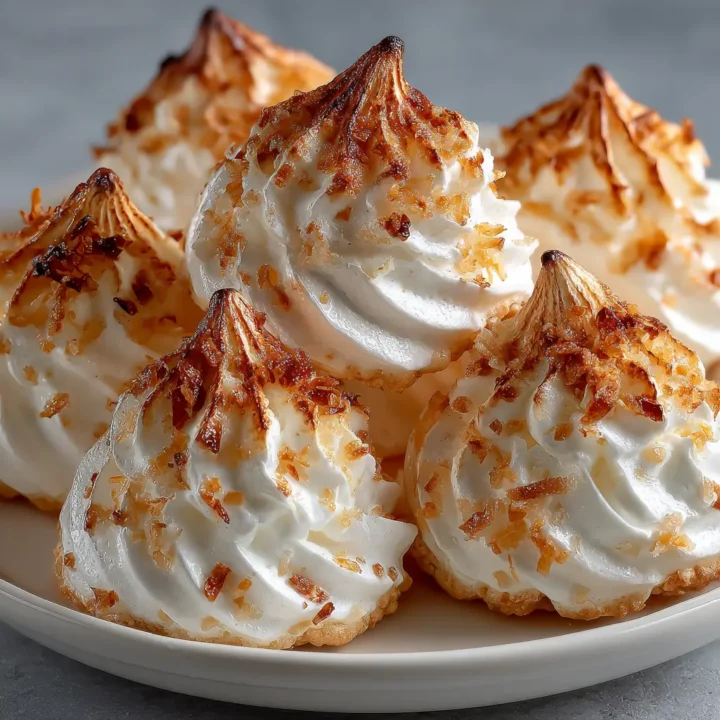
Kokosbusserl - Austrian Coconut Meringue Cookies
Ingredients
- 3 large egg whites: Ensure they are at room temperature for better whipping.
- 200g granulated sugar: Provides sweetness and stability to the meringue.
- 200g desiccated coconut: Unsweetened for a more authentic flavor.
- 1 tsp vanilla extract: Adds depth to the flavor profile.
- Pinch of salt: Enhances the sweetness and balances flavors
Instructions
- Preheat the Oven: Preheat your oven to 150°C (300°F) and line a baking sheet with parchment paper.
- Whip the Egg Whites: In a clean bowl, beat the egg whites with a pinch of salt until soft peaks form (about 3-5 minutes).
- Add Sugar Gradually: Slowly add the granulated sugar, one tablespoon at a time, while continuing to whip until glossy and stiff peaks form.
- Fold in Coconut and Vanilla: Gently fold in the desiccated coconut and vanilla extract until just combined.
- Shape the Cookies: Drop spoonfuls or pipe small mounds onto the prepared baking sheet, spaced about 2 inches apart.
- Bake: Bake for 25 minutes or until the cookies are firm to the touch and slightly dry on the outside.
- Cool: Allow the cookies to cool on the baking sheet for 10 minutes, then transfer to a wire rack to cool completely.